Dealership PPF vs Aftermarket PPF in Las Vegas: Should You Take the $2,400 Package?
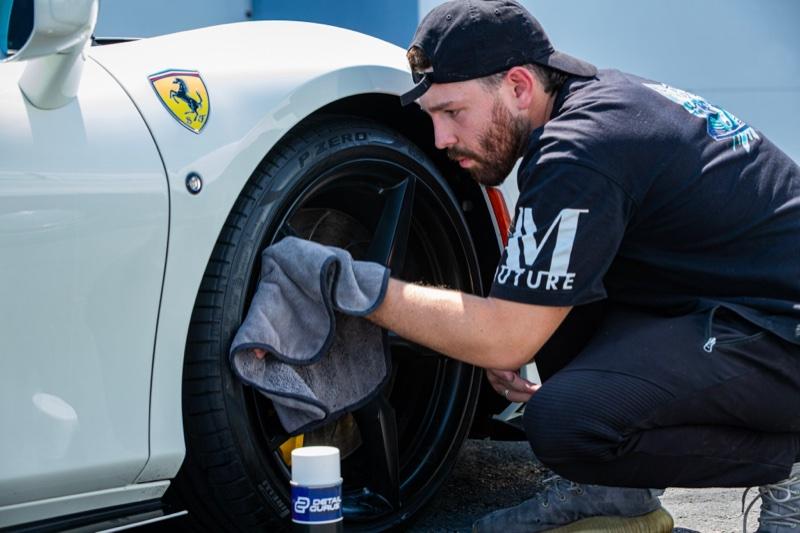
Quick answer: when a Las Vegas dealer quotes you around $2,400 for a paint protection package, the honest comparison is coverage and film grade, not the price tag. That $2,400 is full-front money — aftermarket, it buys a full front ($1,500–$2,500) in a named top-tier film like XPEL or SunTek with pattern-cut edges and a 10-year manufacturer warranty. Dealer packages at that price often cover only a partial front (bumper plus an 18–24" hood strip, aftermarket $900–$1,500) in an unnamed or house-brand film. So most of the time, aftermarket gets you more protected panels and a better-backed warranty for the same dollars. But there are two real cases where the dealer deal is the smart move. After wrapping cars across the Valley for years, here's how I'd actually make the call.
The quick version
PPF is priced by how many panels get covered and how good the film is — not by whose logo is on the invoice. A dealer package and an aftermarket quote can carry the same price and deliver very different amounts of both. The dealer's advantage is convenience and timing; the aftermarket shop's advantage is coverage, film grade, edge quality, and a warranty that travels.
The trap is comparing a dealer "package" to an aftermarket "package" by name. Strip the marketing off both and compare the same five things: which film, how many panels, how the edges are cut, who honors the warranty in year four, and what the total actually costs. Do that and the decision usually makes itself.
Dealer PPF vs aftermarket: the trade-off table
Here's how a typical $2,400 dealer paint protection package stacks up against what the same money buys aftermarket, on the dimensions that actually decide it:
| Typical dealer package (~$2,400) | Aftermarket (~$2,400) | |
|---|---|---|
| Film brand / spec | Often unnamed or house-brand; entry to mid grade | Named top-tier (XPEL, SunTek), 10-yr rated |
| Coverage for the price | Frequently partial front — bumper + hood strip | Full front — full hood, fenders, A-pillars |
| Edge cut | Often bulk-cut / hand-trimmed on the car | Pattern-cut (computer-plotted, wrapped edges) |
| Warranty backing | Dealer / house brand, often store-specific | Manufacturer, serviceable at any authorized installer |
| Install environment | High-volume; variable dust/cure control | Controlled, dust-managed, correct cure window |
| Paint prep before film | Usually none — film over factory paint as-is | Wash + decon (+ correction if needed) first |
| How it's paid | Rolled into the loan (interest applies) | Paid at install; you shop the quote |
The single most important row is the second one. Dealers tend to price a partial front's worth of coverage at a full front's price. When you normalize for panels, the aftermarket full front is usually the better value even before you get to film grade and edge quality.
What film do dealerships actually put on the car?
This is the question that decides most of it, and it's the one the paperwork is quietest about. A dealer paint protection line item usually reads as a trademarked package name — not the film manufacturer and not the warranty term. Some dealers genuinely contract a reputable installer running XPEL or SunTek; plenty of others apply a house-brand film, or route the car to a high-volume shop cutting generic material off a bulk roll.
The film grade is not a small detail in this climate. Las Vegas runs roughly 294 sunny days a year, and cheap film yellows and hazes under that UV load years before a top-tier film does. A 10-year rated XPEL or SunTek film is engineered to stay optically clear and self-heal light swirls with heat; an entry-grade film can start looking tired — orange-peeled, slightly amber — while it's still technically "protecting" the paint. On a car you're keeping, the film you can't name is the risk.
Coverage: count panels, not tiers
Dealer packages love tier names — "Platinum," "Elite," "Premium Protection." None of those words tell you which panels get film. The only thing that matters is the panel list, and aftermarket pricing makes it concrete:
- 1.Partial front — $900–$1,500. Bumper, headlights, mirrors, and the leading 18–24 inches of the hood and fenders. This is what a lot of ~$2,400 dealer packages actually deliver.
- 2.Full front — $1,500–$2,500. Full hood, full fenders, bumper, headlights, mirrors, and A-pillars — no film edge sitting out in open paint. This is what $2,400 should buy.
- 3.Extended front — $2,500–$4,000. Full front plus rocker panels and door leading edges, for lifted trucks and high-mileage highway drivers.
- 4.Full-vehicle wrap — $5,000–$8,000+. Every painted surface, for long-term keepers and exotics.
So when a dealer says $2,400 and the panel list is "front bumper and partial hood," you're paying full-front money for partial-front coverage. Aftermarket, that same budget steps you up to a full front — which matters a lot on Vegas freeways, where I-15, US-95, and US-215 construction debris regularly lands past the 24-inch line a partial protects. I break the coverage decision down in detail in full front vs partial front PPF in Las Vegas.
Pattern-cut vs bulk-cut: why the edges matter
There are two ways to cut film to a car. Pattern-cut (also called plotter-cut) uses computer templates for that exact make and model, so the film is trimmed off the car and its edges get wrapped around panel lips where they're nearly invisible and far less likely to lift. Bulk-cut means the installer lays oversized film on the panel and trims it with a blade on the paint itself — faster and cheaper, but it risks blade marks in your clear coat and leaves edges sitting on the surface where desert dust and pressure washing can catch them and start a lift.
High-volume dealer installs skew toward speed, which often means bulk-cutting. A quality aftermarket shop pattern-cuts as standard. Over a few years in this climate — heat cycling, UV, dust — a lifted or dirt-caught edge is the most common way a cheap PPF job starts to look bad, and it's exactly what pattern-cutting is designed to avoid.
Who honors the warranty in year four?
Film problems don't show up on day one — they show up in year three or four, as faint yellowing, an edge lift, or a cloudy patch. That's when the warranty stops being a line on a receipt and starts mattering. And this is where the two paths diverge hard.
A named top-tier film carries a manufacturer warranty — typically 10 years against yellowing, cracking, bubbling, and delamination — that follows the film and is serviceable at any authorized installer in the country. If you move, or the shop that installed it closes, you're still covered. A dealer house-brand or in-house "lifetime" warranty is only as strong as that specific dealership's willingness to make good years later, and it usually requires you to bring the car back to that store. Dealerships change PPF vendors, staff turn over, and "lifetime" often has fine print. In year four, a manufacturer-backed warranty from a named installer is simply far easier to actually claim.
The install environment and cure nobody asks about
PPF is only as good as the conditions it goes on in. Film has to be applied to clean, decontaminated paint in a dust-controlled space, wet-installed with slip solution, squeegeed out, and then given time to cure so the adhesive sets and the edges hold. Rushed installs in a busy, dusty environment trap dirt under the film and leave edges that lift early.
Two things separate a good install from a bad one here. First, prep: a proper aftermarket install washes and decontaminates the paint — and corrects it if there are swirls — before any film goes down, because film is optically clear and locks in whatever is under it. A dealer install usually skips correction and lays film over the factory finish as-is, sealing in any swirls the transport and lot handling put there. Second, environment: we stage the install indoors, control for dust, and schedule around the temperature window the film and adhesive actually want — not around how many cars need to move through a lane that afternoon. On a mobile install, that means we come to you and set up a controlled space at your home or office rather than wrapping in an open, dusty lot.
When is the dealer package actually the right buy?
I'd rather you get protected than win an argument about vendors, so here's the honest other side: there are two situations where taking the dealer deal is the smart move.
The dealer package is worth taking when:
- It's rolled into financing at a genuinely small delta and the film is named. If adding it moves your payment by a few dollars a month, the product is a real top-tier film (XPEL, SunTek) with a 10-year warranty, and the panel list is honest, the convenience of financing it can be worth the small interest cost — especially if paying cash for aftermarket would strain the budget right after a car purchase.
- Timing protects the paint sooner. PPF should go on before the paint takes its first chips. A dealer install done the day you take delivery protects the car immediately; booking an aftermarket appointment two or three weeks out means the first few freeway drives happen on bare paint. If your commute is I-15 or US-95 from day one, sooner-but-good beats later.
And you should walk away from the dealer package — and go aftermarket — when:
- They can't or won't name the film brand and warranty term. Vague paperwork means entry-grade film; price it that way and shop it.
- It's partial coverage at full-front money. If $2,400 buys a bumper and a hood strip, aftermarket buys a full front for the same dollars.
- You're paying cash and have time. With no financing hook and no delivery-day urgency, you have every reason to shop the install, see the shop's work, and pick the film yourself.
If you're still not sure PPF earns its cost on your specific car and use case at all, that's the prior question — I work through it in is PPF worth it in Las Vegas, and the underlying price brackets by coverage are in how much PPF costs in Las Vegas.
So — take the $2,400 dealer package or not?
Take it if, and only if, they name a top-tier film with a real 10-year warranty, the panel list is a genuine full front, and it's rolling into your loan at a small delta or protecting the car on delivery day. In that narrow case the dealer deal is convenient and fair, and I'll tell a client to take it.
Pass on it when the film is unnamed, the coverage is a partial front dressed up with a tier name, or you're paying cash and have time to shop. In those cases — which is most of them — that same $2,400 aftermarket gets you a full front in a named film, pattern-cut edges, correct prep, and a warranty you can claim anywhere. Compare the panels and the film, not the package names, and the right answer is usually obvious. Full paint protection options and coverage packages are on the paint protection page.
Related reading
How much PPF costs by coverage level, with the full price brackets: how much PPF costs in Las Vegas. How much coverage you actually need for how you drive, and the hood edge-line trade-off: full front vs partial front PPF in Las Vegas. Whether PPF returns its cost for your vehicle and use case at all: is PPF worth it in Las Vegas. Paint protection services and booking: paint protection.
Got a dealer PPF quote you want a second opinion on?
Send us the dealer's number and the panel list, and tell us the car and where you commute in the Valley. We come to you anywhere in Las Vegas, tell you exactly which film and how much coverage that money should buy aftermarket, and quote it straight. If the dealer package is genuinely the better deal for your situation, we'll tell you to take it.
Get an Honest PPF QuoteQuick Answers
Dealership PPF is worth it only when the coverage and film grade match what an aftermarket shop would quote for the same money, which is not the usual case. Most dealer paint protection packages price a partial-front amount of coverage — bumper and a hood strip — at full-front money ($2,000–$2,500), often in a house-brand or bulk-cut film rather than a named grade like XPEL or SunTek. Aftermarket, that same $2,400 buys a full front in a top-tier film with pattern-cut edges. The dealer deal wins in the specific case where it's rolled into financing at a genuinely small monthly delta and installed before the car's first freeway drive; otherwise aftermarket gets you more coverage and a better warranty for the price.
Dealerships use a range of paint protection films, and the important thing is that the brand is frequently unnamed on the paperwork. Some dealers do contract a reputable installer using XPEL or SunTek; many others apply a house-brand or lower-tier film, or send the car to a high-volume shop that bulk-cuts generic film. The invoice usually says "paint protection" or a trademarked package name, not the actual film manufacturer and warranty term — so before you sign, ask exactly which film brand and warranty length you're buying. If they can't name it, assume it's an entry-grade film, not a 10-year top-tier product.
Aftermarket PPF in Las Vegas costs $900–$1,500 for a partial front, $1,500–$2,500 for a full front, $2,500–$4,000 for an extended front, and $5,000–$8,000+ for a full-vehicle wrap. A typical dealer paint protection package is priced around $2,000–$2,500 — full-front money — but frequently covers only a partial front's worth of panels. So at the same roughly $2,400, aftermarket usually gets you a full front in a named top-tier film, while the dealer version often gets you a bumper and a hood strip in an unnamed one. Match the price against the panels covered, not against the marketing tier name.
PPF warranties are honored differently depending on who the warranty is actually from. A top-tier film like XPEL or SunTek carries a manufacturer warranty (typically 10 years against yellowing, cracking, and delamination) that follows the film and is serviceable at any authorized installer nationwide — useful if you move or the selling dealer changes vendors. A dealer house-brand or in-house "lifetime" warranty is only as good as that dealership's willingness to service it years later, and often requires you to return to that specific store. In year four, when film starts to show any issue, a manufacturer-backed warranty from a named installer is far easier to actually claim than a dealer package tied to one location.
The dealer paint protection package is the right buy in two specific situations. First, when it's rolled into the auto loan at a genuinely small delta — if adding it changes the payment by a few dollars a month and the film is a named top-tier product with a real coverage list, the financing convenience can be worth it. Second, on timing: PPF should go on before the paint takes its first rock chips, so a dealer install that happens the day you take delivery protects the car sooner than booking an aftermarket appointment two weeks later. Outside those cases — vague film brand, partial coverage at full-front price, or a cash purchase where you can shop the install — aftermarket almost always gives you more for the money.
Founder & Lead Detailer, Aqualine Performance. Pacific F2000 driver and track instructor at Dream Racing (Las Vegas Motor Speedway).
Keep reading
PPF Cost in Las Vegas: What Paint Protection Film Really Costs (2026)
PPF quotes in Las Vegas range from $900 to over $8,000 — and coverage level explains most of it. Here's the 2026 price breakdown by package, plus the questions that expose a corner-cutting installer.
Is PPF Worth It in Las Vegas? The Honest Rock-Chip Math
We install paint protection film for a living, so weigh that when you read this — then look at the math anyway. What PPF stops that ceramic can't, coverage levels vs. the cost of repainting a panel, and the four cases where I tell people to keep their money.
Paint Protection Film Cost in Las Vegas by Neighborhood: Spring Valley, North Las Vegas & Beyond
PPF in Las Vegas runs $900 for a partial front end to $8,000+ for a full-vehicle wrap — but where you drive matters as much as the car. Here's how Spring Valley, North Las Vegas, Henderson, and Summerlin commute patterns change what coverage you actually need.